
September 20, 2024
Fungal Skin Infections Types, Treatment, Risk Factors, More
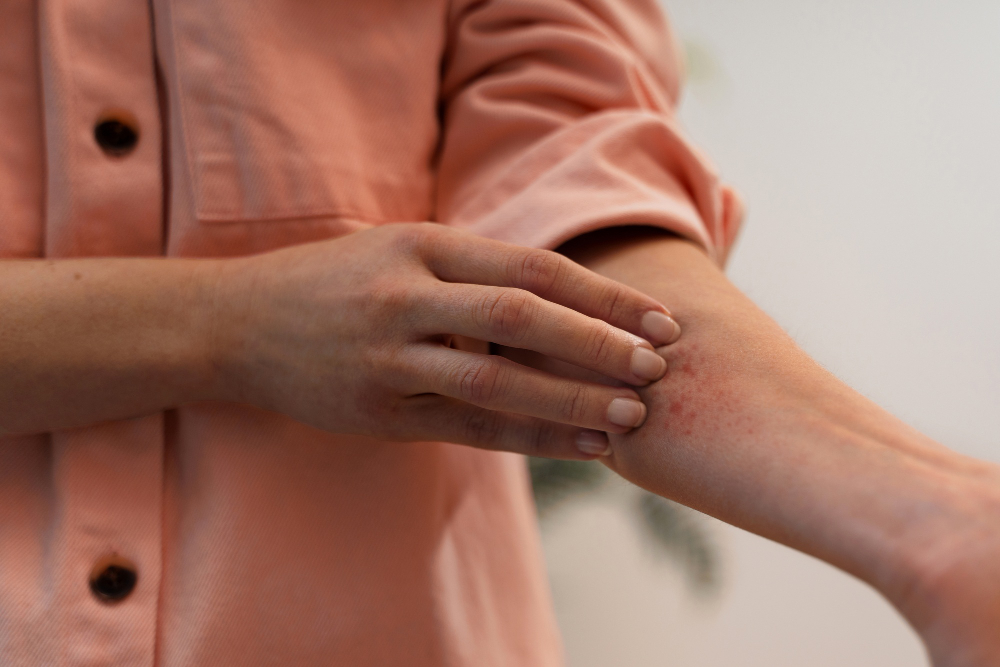
You might have heard about fungal skin infections, especially in recent years where the fungus in the body is leading to several skin infections and a large number of people are getting affected by it. Fungus being microscopic organisms do not cause damage to the skin but if not taken care of, they can be multiplied and dive into the layers of the skin via a lesion or a cut. This is where our fungal infection treatment in Thane comes into play.
To get a detailed insight into the fungal infection, we have freshly curated an ultimate guide to guide you. Join us as we take you through it.
Fungal Skin Infections: Uncovering the Types
To begin with, let’s first explore the most popular types that you might come across in your life. They are listed below:
- Yeast Infection
A yeast can be found on the skin and inside the body. If it grows over a time period, then the fungus can be formed, leading to itching and irritating the mind.
- Ringworm of Body
It is one of the most contagious skin infections that takes place in the torso and limbs. As the name suggests, this infection is not caused by the ringworm but by fungus.
- Ringworm of Scalp
This type of fungus skin infection directly affects the skin of the scalps and related hair shafts.
Now, let’s look at some of the effective fungal infections that can help you achieve the desired results.
Best Fungal Infection Treatments
Fungal skin infection is not a serious condition, but can turn into a disaster, if not cured at the right time. Thus, consulting the best fungal infection specialists in Thane can be much easier and better. 2 most popular treatments are as follows:
- Antifungal medications – Mostly, all fungal infections can be cured using antifungal medications with the ones that are directly applied on the affected area of the skin, such as lotions, gels, creams or maybe shampoos.
- Preventive measures against moisture – To prevent fungal skin infections, many people apply powders or even switch to open-toed shoes to avoid the infection in the future.
However, various risk factors are involved in the process. They are as follows:
Fungal Skin Infections: Risk Factors
Some of the top-most risk factors are as follows:
- Firstly, some medicinal conditions can increase the risk of a fungal skin infection such as Chronic Lung Disease, Cancer and HIV/AIDs.
- Secondly, certain ongoing treatments too can elevate the risk of fungal infections like Organ Transplants, Stem Cell Transplants, Longer Stay at Hospitals, High Doses of Antibiotics, Corticosteroids, etc.
- Lastly, to stay protected from the above-mentioned risks and complications, it is mandatory to get diagnosed by the best fungal infection specialists in Thane, such as the one available at the Derm-Esthetic Skin Clinic.
Conclusion
Fungal skin infection is contagious but can turn into a serious health hazard if not paid attention to. To avoid risks and uncertainties, it is better to consult and get yourself diagnosed by the best fungal specialists in Thane and get rid of the infection today.